Make Way for Tomorrow (1937)19301.
Morocco (Josef von Sternberg, United States)
2.
Earth (Aleksandr Dovzhenko, Soviet Union)
3.
The Dawn Patrol (Howard Hawks, United States)
4.
Her Man (Tay Garnett, United States)
5.
Laughter (Harry d'Abbadie d'Arrast, United States)
4.
Dishonored (Josef von Sternberg, United States)
7.
Blonde Crazy (Roy Del Ruth, United States)
8.
La Chienne (Jean Renoir, France)
9.
The Criminal Code (Howard Hawks, United States)
10.
Le Million (René Clair, France)
19321.
Trouble in Paradise (Ernst Lubitsch, United States)
2.
Scarface (Howard Hawks, United States)
3.
Boudu Saved from Drowning (Jean Renoir, France)
4.
I Was Born, But... (Yasujiro Ozu, Japan)
5.
Me and My Gal (Raoul Walsh, United States)
6.
Love Me Tonight (Rouben Mamoulian, United States)
7.
The Man I Killed (Ernst Lubitsch, United States)
8.
The Old Dark House (James Whale, United States)
9.
Back Street (John M. Stahl, United States)
10.
Hot Saturday (William A. Seiter, United States)
19331.
Woman of Tokyo (Yasujiro Ozu, Japan)
2.
Liebelei (Max Ophüls, Germany/Austria)
19341.
La Signora di tutti (Max Ophüls, Italy)
7.
The Merry Widow (Ernst Lubitsch, United States)
8.
Man of Aran (Robert Flaherty, United Kingdom)
19351.
Ruggles of Red Gap (Leo McCarey, United States)
2.
Wife! Be Like a Rose! (Mikio Naruse, Japan)
3.
The 39 Steps (Alfred Hitchcock, United Kingdom)
4.
Steamboat 'Round the Bend (John Ford, United States)
5.
Pot Worth a Million Ryo (Yamanaka Sadao, Japan)
6.
The Devil is a Woman (Josef von Sternberg, United States)
7.
An Inn at Tokyo (Yasujiro Ozu, Japan)
8.
Bride of Frankenstein (James Whale, United States)
9.
The Wedding Night (King Vidor, United States)
10.
Poppy (Kenji Mizoguchi, Japan)
19368.
Sabotage (Alfred Hitchcock, United Kingdom)
6.
The Straits of Love and Hate (Kenji Mizoguchi, Japan)
7.
Stella Dallas (King Vidor, United States)
8.
Young and Innocent (Alfred Hitchcock, United Kingdom)
9.
Easy Living (Mitchell Leisen, United States)
10.
The Great Garrick (James Whale, United States)
19381.
Bringing Up Baby (Howard Hawks, United States)
2.
The Lady Vanishes (Alfred Hitchcock, United Kingdom)
3.
Olympia (Leni Riefenstahl, Germany)
4.
You and Me (Fritz Lang, United States)
5.
Flowers Have Fallen (Tamizo Ishida, Japan)
9.
Holiday (George Cukor, United States)
Make Way for Tomorrow (Leo McCarey, United States)
The Rules of the Game (Jean Renoir, France)
Scarface (Howard Hawks, United States)
The Scarlet Empress (Josef von Sternberg, United States)
La Signora di tutti (Max Ophüls, Italy)
The Story of the Late Chrysanthemums (Kenji Mizoguchi, Japan)
Trouble in Paradise (Ernst Lubitsch, United States)
 A Matter of Life and Death (1946)
1940
1.
The Shop Around the Corner (Ernst Lubitsch, United States)
2.
His Girl Friday (Howard Hawks, United States)
3.
The Great Dictator (Charles Chaplin, United States)
4.
Remember the Night (Mitchell Leisen, United States)
5.
Rebecca (Alfred Hitchcock, United States)
6.
The Philadelphia Story (George Cukor, United States)
7.
Pinocchio (Hamilton Luske and Ben Sharpsteen, United States)
8.
The Mortal Storm (Frank Borzage, United States)
9.
Foreign Correspondent (Alfred Hitchcock, United States)
10.
London Can Take It! (Humphrey Jennings, United Kingdom)
1941
1.
How Green Was My Valley (John Ford, United States)
2.
Citizen Kane (Orson Welles, United States)
3.
Sullivan's Travels (Preston Sturges, United States)
4.
Hellzapoppin' (H. C. Potter, United States)
5.
Ornamental Hairpin (Hiroshi Shimizu, Japan)
6.
Remorques (Jean Grémillon, France)
7.
The Devil and Daniel Webster (William Dieterle, United States)
8.
Hold Back the Dawn (Mitchell Leisen, United States)
9.
The Shanghai Gesture (Josef von Sternberg, United States)
10.
Suspicion (Alfred Hitchcock, United States)
1942
1.
The Magnificent Ambersons (Orson Welles, United States)
2.
Listen to Britain (Humphrey Jennings and Stewart McAllister, United Kingdom)
3.
Aniki Bóbó (Manoel de Oliveira, Portugal)
4.
There Was a Father (Yasujiro Ozu, Japan)
5.
Cat People (Jacques Tourneur, United States)
6.
The Palm Beach Story (Preston Sturges, United States)
7.
Went the Day Well? (Alberto Cavalcanti, United Kingdom)
8.
The Loyal 47 Ronin (Kenji Mizoguchi, Japan)
9.
To Be or Not to Be (Ernst Lubitsch, United States)
10.
Gentleman Jim (Raoul Walsh, United States)
1943
1.
Day of Wrath (Carl Theodor Dreyer, Denmark)
2.
The Life and Death of Colonel Blimp (Michael Powell and Emeric Pressburger, United Kingdom)
3.
Shadow of a Doubt (Alfred Hitchcock, United States)
4.
I Walked with a Zombie (Jacques Tourneur, United States)
5.
Meshes of the Afternoon (Maya Deren and Alexander Hammid, United States)
6.
Les Anges du péché (Robert Bresson, France)
7.
Air Force (Howard Hawks, United States)
8.
Ossessione (Luchino Visconti, Italy)
9.
Heaven Can Wait (Ernst Lubitsch, United States)
10.
Wild Flower (Emilio Fernández, Mexico)
1944
1.
Ivan the Terrible, Part I (Sergei Eisenstein, Soviet Union)
2.
To Have and Have Not (Howard Hawks, United States)
3.
Meet Me in St. Louis (Vincente Minnelli, United States)
4.
Laura (Otto Preminger, United States)
5.
Lifeboat (Alfred Hitchcock, United States)
6.
The Miracle of Morgan's Creek (Preston Sturges, United States)
7.
María Candelaria (Emilio Fernández, Mexico)
8.
Hail the Conquering Hero (Preston Sturges, United States)
9.
At Land (Maya Deren, United States)
10.
The Curse of the Cat People (Robert Wise and Gunther von Fritsch, United States)
1945
1.
Les Dames du Bois de Boulogne (Robert Bresson, France)
2.
They Were Expendible (John Ford, United States)
3.
Rome, Open City (Roberto Rossellini, Italy)
4.
Leave Her to Heaven (John M. Stahl, United States)
5.
The Southerner (Jean Renoir, United States)
6.
Children of Paradise (Marcel Carné, France)
7.
I Know Where I'm Going! (Michael Powell and Emeric Pressburger, United Kingdom)
8.
The Clock (Vincente Minnelli, United States)
9.
Detour (Edgar G. Ulmer, United States)
10.
The Bells of St. Mary's (Leo McCarey, United States)
1946
1.
My Darling Clementine (John Ford, United States)
2.
A Matter of Life and Death (Michael Powell and Emeric Pressburger, United Kingdom)
3.
Notorious (Alfred Hitchcock, United States)
4.
Paisan (Roberto Rossellini, Italy)
5.
Canyon Passage (Jacques Tourneur, United States)
6.
Utamaro and His Five Women (Kenji Mizoguchi, Japan)
7.
Cluny Brown (Ernst Lubitsch, United States)
8.
Beauty and the Beast (Jean Cocteau, France)
9.
The Girl I Loved (Keisuke Kinoshita, Japan)
10.
Ivan the Terrible, Part II (Sergei Eisenstein, Soviet Union)
1947
1.
Monsieur Verdoux (Charles Chaplin, United States)
2.
Antoine and Antoinette (Jacques Becker, France)
3.
Black Narcissus (Michael Powell and Emeric Pressburger, United Kingdom)
4.
The Love of Sumako the Actress (Kenji Mizoguchi, Japan)
5.
Record of a Tenement Gentleman (Yasujiro Ozu, Japan)
6.
Out of the Past (Jacques Tourneur, United States)
7.
The Exile (Max Ophüls, United States)
8.
The Lady from Shanghai (Orson Welles, United States)
9.
The Unsuspected (Michael Curtiz, United States)
10.
Phoenix (Keisuke Kinoshita, Japan)
1948
1.
Letter from an Unknown Woman (Max Ophüls, United States)
2.
Spring in a Small Town (Fei Mu, China)
3.
La Terra Trema (Luchino Visconti, Italy)
4.
Red River (Howard Hawks, United States)
5.
Germany Year Zero (Roberto Rossellini, Italy)
6.
Fort Apache (John Ford, United States)
7.
Children of the Beehive (Hiroshi Shimizu, Japan)
8.
Moonrise (Frank Borzage, United States)
9.
The Red Shoes (Michael Powell and Emeric Pressburger, United Kingdom)
10.
They Live by Night (Nicholas Ray, United States)
1949
1.
Late Spring (Yasujiro Ozu, Japan)
2.
Kind Hearts and Coronets (Robert Hamer, United Kingdom)
3.
Crows and Sparrows (Zheng Junli, China)
4.
I Was a Male War Bride (Howard Hawks, United States)
5.
White Heat (Raoul Walsh, United States)
6.
Rendezvous in July (Jacques Becker, France)
7.
The Reckless Moment (Max Ophüls, United States)
8.
Mahal (Kamal Amrohi, India)
9.
The Third Man (Carol Reed, United Kingdom)
10.
Mr. Shosuke Ohara (Hiroshi Shimizu, Japan)
The Ten Best Films of the
1940s (in alphabetical order)
Les Dames du Bois de Boulogne (Robert Bresson, France)
Day of Wrath (Carl Theodor Dreyer, Denmark)
His Girl Friday (Howard Hawks, United States)
Ivan the Terrible, Part I and II (Sergei Eisenstein, Soviet Union)
Late Spring (Yasujiro Ozu, Japan)
Letter from an Unknown Woman (Max Ophüls, United States)
A Matter of Life and Death (Michael Powell and Emeric Pressburger, United Kingdom)
My Darling Clementine (John Ford, United States)
The Shop Around the Corner (Ernst Lubitsch, United States)
Spring in a Small Town (Fei Mu, China)
Sansho the Bailiff (1954)
1950
1.
The Flowers of St. Francis (Roberto Rossellini, Italy)
2.
Orpheus (Jean Cocteau, France)
3.
Stars in My Crown (Jacques Tourneur, United States)
4.
Wagonmaster (John Ford, United States)
5.
Gun Crazy (Joseph H. Lewis, United States)
6.
Winchester '73 (Anthony Mann, United States)
7.
La Ronde (Max Ophüls, France)
8.
Born to Be Bad (Nicholas Ray, United States)
9.
In a Lonely Place (Nicholas Ray, United States)
10.
The Gunfighter (Henry King, United States)
1951
1.
Early Summer (Yasujiro Ozu, Japan)
2.
The River (Jean Renoir, France/India/United States)
3.
Diary of a Country Priest (Robert Bresson, France)
4.
Awaara (Raj Kapoor, India)
5.
Édouard and Caroline (Jacques Becker, France)
6.
The Man in the White Suit (Alexander Mackendrick, United Kingdom)
7.
Ace in the Hole (Billy Wilder, United States)
8.
The Thing From Another World (Christian Nyby, United States)
9.
Strangers on a Train (Alfred Hitchcock, United States)
10.
The Prowler (Joseph Losey, United States)
1952
1.
The Life of Oharu (Kenji Mizoguchi, Japan)
2.
Limelight (Charles Chaplin, United States)
3.
Él (Luis Buñuel, Mexico)
4.
Monkey Business (Howard Hawks, United States)
5.
Le Plaisir (Max Ophüls, France)
6.
Singin’ in the Rain (Gene Kelly and Stanley Donen, United States)
7.
Rancho Notorious (Fritz Lang, United States)
8.
Lightning (Mikio Naruse, Japan)
9.
On Dangerous Ground (Nicholas Ray, United States)
10.
Europa '51 (Roberto Rossellini, Italy)
1953
1.
Ugetsu Monogatari (Kenji Mizoguchi, Japan)
2.
Tokyo Story (Yasujiro Ozu, Japan)
3.
The Earrings of Madame de... (Max Ophüls, France/Italy)
4.
The Sun Shines Bright (John Ford, United States)
5.
Monsieur Hulot’s Holiday (Jacques Tati, France)
6.
The Big Heat (Fritz Lang, United States)
7.
The Band Wagon (Vincente Minnelli, United States)
8.
Gentlemen Prefer Blondes (Howard Hawks, United States)
9.
The Golden Coach (Jean Renoir, France/Italy)
10.
The Naked Spur (Anthony Mann, United States)
1954
1.
Sansho the Bailiff (Kenji Mizoguchi, Japan)
2.
Rear Window (Alfred Hitchcock, United States)
3.
Voyage in Italy (Roberto Rossellini, Italy/France)
4.
A Star is Born (George Cukor, United States)
5.
Sound of the Mountain (Mikio Naruse, Japan)
6.
Chikamatsu Monogatari (Kenji Mizoguchi, Japan)
7.
Johnny Guitar (Nicholas Ray, United States)
8.
Late Chrysanthemums (Mikio Naruse, Japan)
9.
The Seven Samurai (Akira Kurosawa, Japan)
10.
Track of the Cat (William A. Wellman, United States)
1955
1.
Ordet (Carl Theodor Dreyer, Denmark)
2.
Floating Clouds (Mikio Naruse, Japan)
3.
Pather Panchali (Satyajit Ray, India)
4.
Lola Montès (Max Ophüls, France/West Germany)
5.
The Night of the Hunter (Charles Laughton, United States)
6.
Mr. Arkadin (Orson Welles, France/Spain/Switzerland)
7.
Wichita (Jacques Tourneur, United States)
8.
The Criminal Life of Archibaldo de la Cruz (Luis Buñuel, Mexico)
9.
To Catch a Thief (Alfred Hitchcock, United States)
10.
French Cancan (Jean Renoir, France/Italy)
1956
1.
The Searchers (John Ford, United States)
2.
A Man Escaped (Robert Bresson, France)
3.
Streets of Shame (Kenji Mizoguchi, Japan)
4.
Bigger Than Life (Nicholas Ray, United States)
5.
Written on the Wind (Douglas Sirk, United States)
6.
There's Always Tomorrow (Douglas Sirk, United States)
7.
Seven Men from Now (Budd Boetticher, United States)
8.
The Girl Can’t Help It (Frank Tashlin, United States)
9.
The Killing (Stanley Kubrick, United States)
10.
Crazed Fruit (Kô Nakahira, Japan)
1957
1.
Pyaasa (Guru Dutt, India)
2.
Throne of Blood (Akira Kurosawa, Japan)
3.
Wild Strawberries (Ingmar Bergman, Sweden)
4.
Forty Guns (Samuel Fuller, United States)
5.
A King in New York (Charles Chaplin, United States)
6.
Nights of Cabiria (Federico Fellini, Italy/France)
7.
Will Success Spoil Rock Hunter? (Frank Tashlin, United States)
8.
Le Notti bianche (Luchino Visconti, Italy/France)
9.
An Affair to Remember (Leo McCarey, United States)
10.
The Tall T (Budd Boetticher, United States)
1958
1.
Vertigo (Alfred Hitchcock, United States)
2.
Touch of Evil (Orson Welles, United States)
3.
Mon Oncle (Jacques Tati, France/Italy)
7.
Anatomy of a Murder (Otto Preminger, United States)
8.
Nazarin (Luis Buñuel, Mexico)
9.
The Sign of Leo (Eric Rohmer, France)
10.
The 400 Blows (François Truffaut, France)
The Ten Best Films of the
1950s (in alphabetical order)
Early Summer (Yasujiro Ozu, Japan)
The Earrings of Madame de... (Max Ophüls, France/Italy)
Floating Clouds (Mikio Naruse, Japan)
The Flowers of St. Francis (Roberto Rossellini, Italy)
Ordet (Carl Theodor Dreyer, Denmark)
Pickpocket (Robert Bresson, France)
Rear Window (Alfred Hitchcock, United States)
Rio Bravo (Howard Hawks, United States)
Sansho the Bailiff (Kenji Mizoguchi, Japan)
The Searchers (John Ford, United States)
 L'Avventura (1960)
1960
1.
L'Avventura (Michelangelo Antonioni, Italy/France)
2.
Psycho (Alfred Hitchcock, United States)
3.
Breathless (Jean-Luc Godard, France)
4.
When a Woman Ascends the Stairs (Mikio Naruse, Japan)
5.
Wild River (Elia Kazan, United States)
6.
The Cloud-Capped Star (Ritwik Ghatak, India)
7.
The Apartment (Billy Wilder, United States)
8.
La Dolce Vita (Federico Fellini, Italy/France)
9.
The Savage Innocents (Nicholas Ray, France/Italy/United Kingdom)
10.
The Housemaid (Kim Ki-Young, South Korea)
10.
Les Godelureaux (Claude Chabrol, France/Italy)
3.
Hatari! (Howard Hawks, United States)
8.
Alyonka (Boris Barnet, Soviet Union)
19631.
Contempt (Jean-Luc Godard, France/Italy)
2.
The Leopard (Luchino Visconti, Italy/France)
3.
Muriel (Alain Resnais, France/Italy)
4.
I Fidanzati (Ermanno Olmi, Italy)
5.
The House is Black (Forugh Farrokhzad, Iran)
6.
The Birds (Alfred Hitchcock, United States)
7.
Winter Light (Ingmar Bergman, Sweden)
8.
The Big City (Satyajit Ray, India)
9.
Whistle Stop (Boris Barnet, Soviet Union)
4.
Yearning (Mikio Naruse, Japan)
5.
The Umbrellas of Cherbourg (Jacques Demy, France/West Germany)
6.
Diary of a Chambermaid (Luis Buñuel, France/Italy)
7.
Marnie (Alfred Hitchcock, United States)
8.
Black God, White Devil (Glauber Rocha, Brazil)
9.
The Gospel According to St. Matthew (Pier Paolo Pasolini, Italy/France)
10.
Dry Summer (Metin Erksan, Turkey)
1965
1.
Pierrot le fou (Jean-Luc Godard, France/Italy)
2.
Dog Star Man (Stan Brakhage, United States)
3.
Le Bonheur (Agnès Varda, France)
4.
Black Girl (Ousmane Sembene, France/Senegal)
5.
Bunny Lake is Missing (Otto Preminger, United Kingdom)
6.
Guide (Vijay Anand, India)
7.
Shadows of Our Forgotten Ancestors (Sergei Paradjanov, Soviet Union)
8.
Outer and Inner Space (Andy Warhol, United States)
9.
Chimes at Midnight (Orson Welles, Spain/Switzerland)
10.
Yoyo (Pierre Étaix, France)
1966
1.
Au hasard Balthazar (Robert Bresson, France/Sweden)
2.
Andrei Rublev (Andrei Tarkovsky, Soviet Union)
3.
7 Women (John Ford, United States)
4.
The Rise to Power of Louis XIV (Roberto Rossellini, France)
5.
Unsere Afrikareise/Our African Journey (Peter Kubelka, Austria)
6.
Blow-Up (Michelangelo Antonioni, United Kingdom/Italy)
7.
The Pornographers (Shohei Imamura, Japan)
8.
The Good, the Bad, and the Ugly (Sergio Leone, Italy/Spain)
9.
Daisies (Vera Chytilová, Czechoslovakia)
10.
Tokyo Drifter (Seijun Suzuki, Japan)
1967
1.
Playtime (Jacques Tati, France)
2.
The Young Girls of Rochefort (Jacques Demy, France)
3.
Two or Three Things I Know About Her (Jean-Luc Godard, France)
4.
The Red and the White (Miklós Jancsó, Hungary/Soviet Union)
5.
Wavelength (Michael Snow, Canada)
6.
Mouchette (Robert Bresson, France)
7.
Scattered Clouds (Mikio Naruse, Japan)
8.
Belle de jour (Luis Buñuel, France/Italy)
9.
La Collectionneuse (Eric Rohmer, France)
10.
Jewel Thief (Vijay Anand, India)
19681.
Once Upon a Time in the West (Sergio Leone, Italy/United States)
2.
2001: A Space Odyssey (Stanley Kubrick, United States)
3.
Death by Hanging (Nagisa Oshima, Japan)
4.
The Color of Pomegranates (Sergei Paradjanov, Soviet Union)
5.
Memories of Underdevelopment (Tomás Gutiérrez Alea, Cuba)
6.
The Chronicles of Anna Magdalena Bach (Jean-Marie Straub and Danièle Huillet, West Germany/Italy)
7.
High School (Frederick Wiseman, United States)
8.
Faces (John Cassavetes, United States)
9.
Carry On... Up the Khyber (Gerald Thomas, United Kingdom)
10.
Witchfinder General (Michael Reeves, United Kingdom)
1969
1.
My Night at Maud's (Eric Rohmer, France)
2.
Boy (Nagisa Oshima, Japan)
3.
L'Amour fou (Jacques Rivette, France)
4.
The Unfaithful Wife (Claude Chabrol, France/Italy)
The Ten Best Films of the
1960s (in alphabetical order)
Au hasard Balthazar (Robert Bresson, France/Sweden)
An Autumn Afternoon (Yasujiro Ozu, Japan)
Charulata (Satyajit Ray, India)
L'Eclisse (Michelangelo Antonioni, Italy/France)
Gertrud (Carl Theodor Dreyer, Denmark)
My Night at Maud's (Eric Rohmer, France)
Playtime (Jacques Tati, France)
Psycho (Alfred Hitchcock, United States)
Two or Three Things I Know About Her (Jean-Luc Godard, France)
The Young Girls of Rochefort (Jacques Demy, France)
Celine and Julie Go Boating (1974)
1970
1.
Claire's Knee (Eric Rohmer, France)
2.
Tristana (Luis Buñuel, Spain/France/Italy)
3.
The Little Theater of Jean Renoir (Jean Renoir, France/Italy)
4.
The Conformist (Bernardo Bertolucci, Italy/France/West Germany)
5.
Le Cercle rouge (Jean-Pierre Melville, France/Italy)
1971
1.
Out 1: Noli me Tangere (Jacques Rivette, France)
2.
La Région centrale (Michael Snow, Canada)
3.
(nostalgia) (Hollis Frampton, United States)
4.
The Ceremony (Nagisa Oshima, Japan)
5.
Four Nights of a Dreamer (Robert Bresson, France)
6.
The House in the Woods (Maurice Pialat, France)
7.
Love (Károly Makk, Hungary)
5.
Frenzy (Alfred Hitchcock, United Kingdom)
6.
Solaris (Andrei Tarkovsky, Soviet Union)
7.
Ulzana's Raid (Robert Aldrich, United States)
8.
Travels with My Aunt (George Cukor, United States)
9.
Aguirre, Wrath of God (Werner Herzog, West Germany/Peru/
Mexico)
10.
The Goalie's Anxiety at the Penalty Kick (Wim Wenders, West Germany/Austria)
1973
1.
The Spirit of the Beehive (Victor Erice, Spain)
2.
Badlands (Terrence Malick, United States)
3.
The Age of Cosimo de Medici (Roberto Rossellini, Italy)
4.
The Mother and the Whore (Jean Eustache, France)
5.
Reed: Insurgent Mexico (Paul Leduc, Mexico)
6.
A River Called Titas (Ritwik Ghatak, India/Bangladesh)
7.
Touki Bouki (Djibril Diop Mambéty, Senegal)
8.
Moses and Aaron (Jean-Marie Straub and Danièle Huillet, Austria/France/West Germany/Italy)
9.
Breezy (Clint Eastwood, United States)
1974
4.
F for Fake (Orson Welles, France/Iran/West Germany)
6.
Effi Briest (Rainer Werner Fassbinder, West Germany)
1975
1.
Jeanne Dielman, 23 Quai du Commerce, 1080 Bruxelles (Chantal Akerman, Belgium/France)
2.
Barry Lyndon (Stanley Kubrick, United States)
3.
The Mirror (Andrei Tarkovsky, Soviet Union)
4.
The Travelling Players (Theo Angelopoulos, Greece)
5.
The Messiah (Roberto Rossellini, Italy/France)
6.
Xala (Ousmane Sembene, Senegal)
7.
Benilde, or the Virgin Mother (Manoel de Oliveira, Portugal)
8.
The Passenger (Michelangelo Antonioni, France/Italy/United States/Spain)
9. Manila in the Claws of Light (Lino Brocka, Philippines)
10.
India Song (Marguerite Duras, France)
1976
1.
The Outlaw Josey Wales (Clint Eastwood, United States)
2.
Kings of the Road (Wim Wenders, West Germany)
3.
Family Plot (Alfred Hitchcock, United States)
4.
The Killing of a Chinese Bookie (John Cassavetes, United States)
5.
The Shootist (Don Siegel, United States)
6.
The Marquise of O (Eric Rohmer, West Germany/France)
7.
In the Realm of the Senses (Nagisa Oshima, Japan/France)
8.
Duelle (Jacques Rivette, France)
9.
Insiang (Lino Brocka, Philippines)
10.
Nuts in May (Mike Leigh, United Kingdom)
1977
1.
That Obscure Object of Desire (Luis Buñuel, France/Spain)
2.
Providence (Alain Resnais, France/Switzerland)
3.
The Devil, Probably (Robert Bresson, France)
10.
Ceddo (Ousmane Sembene, Senegal)
1978
1.
Doomed Love (Manoel de Oliveira, Portugal)
2.
Days of Heaven (Terrence Malick, United States)
3.
Perceval (Eric Rohmer, France/Italy/West Germany)
4.
Fedora (Billy Wilder, France/West Germany)
5.
Les Rendez-vous d'Anna (Chantal Akerman, Belgium/France/West Germany)
6.
Violette (Claude Chabrol, France/Canada)
7.
The Driver (Walter Hill, United States)
8.
Halloween (John Carpenter, United States)
9.
Graduate First (Maurice Pialat, France)
10.
Alexandria... Why? (Youssef Chahine, Egypt/Algeria)
1979
1.
Stalker (Andrei Tarkovsky, Soviet Union)
2.
Tale of Tales (Yuri Norstein, Soviet Union)
3.
"10" (Blake Edwards, United States)
4.
The Marriage of Maria Braun (Rainer Werner Fassbinder, West Germany)
5.
The Hypothesis of a Stolen Painting (Raoul Ruiz, France)
6.
L'enfant secret (Philippe Garrel, France)
7.
From the Clouds to the Resistance (Jean-Marie Straub and Danièle Huillet, Italy/West Germany/United Kingdom/France)
8.
Eureka (Ernie Gehr, United States)
9.
West Indies: The Fugitive Slaves of Liberty (Med Hondo, France/ Algeria/Mauritania)
10.
My Brilliant Career (Gillian Armstrong, Australia)
The Ten Best Films of the
1970s (in alphabetical order)
Barry Lyndon (Stanley Kubrick, United States)
Celine and Julie Go Boating (Jacques Rivette, France)
Claire's Knee (Eric Rohmer, France)
Days of Heaven (Terrence Malick, United States)
Doomed Love (Manoel de Oliveira, Portugal)
Jeanne Dielman, 23 Quai du Commerce, 1080 Bruxelles (Chantal Akerman, Belgium/France)
Pakeezah (Kamal Amrohi, India)
The Spirit of the Beehive (Victor Erice, Spain)
Stalker (Andrei Tarkovsky, Soviet Union)
The Travelling Players (Theo Angelopoulos, Greece)
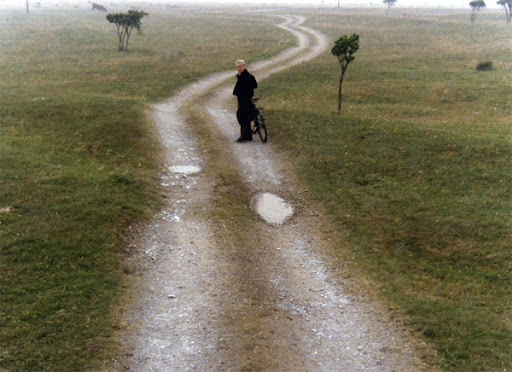 The Sacrifice (1986)
1980
1.
Berlin Alexanderplatz (Rainer Werner Fassbinder, West Germany)
2.
Bronco Billy (Clint Eastwood, United States)
3.
Melvin and Howard (Jonathan Demme, United States)
4.
The Shining (Stanley Kubrick, United States)
5.
Loulou (Maurice Pialat, France)
6.
Mon oncle d'Amérique (Alain Resnais, France)
7.
Every Man for Himself (Jean-Luc Godard, France/Austria/West Germany/Switzerland)
8.
Bona (Lino Brocka, Philippines)
9.
Used Cars (Robert Zemeckis, United States)
1.
Francisca (Manoel de Oliveira, Portugal)
2.
The Aviator's Wife (Eric Rohmer, France)
3.
Blind Chance (Krzysztof Kieslowski, Poland)
4.
Modern Romance (Albert Brooks, United States)
5.
Mandala (Im Kwon-taek, South Korea)
6.
Man of Iron (Andrzej Wajda, Poland)
7.
Lola (Rainer Werner Fassbinder, West Germany)
8.
Orderly or Disorderly (Abbas Kiarostami, Iran)
9.
Thief (Michael Mann, United States)
10.
The Prodigal Son (Sammo Hung, Hong Kong)
19821.
Une chambre en ville (Jacques Demy, Italy/France)
2.
Passion (Jean-Luc Godard, France/Switzerland)
3.
Fanny and Alexander (Ingmar Bergman, Sweden/France/West Germany)
4.
Toute une nuit (Chantal Akerman, Belgium/France/Netherlands/ Canada)
9.
Moonlighting (Jerzy Skolimowski, United Kingdom/West Germany)
7.
Nostalghia (Andrei Tarkovsky, Italy/France/Soviet Union)
8.
El Sur (Victor Erice, Spain/France)
1984
1.
Love Streams (John Cassavetes, United States)
2.
Stranger Than Paradise (Jim Jarmusch, United States)
3.
A Summer at Grandpa's (Hou Hsiao-hsien, Taiwan)
4.
Yellow Earth (Chen Kaige, China)
5.
Full Moon in Paris (Eric Rohmer, France)
6.
Once Upon a Time in America (Sergio Leone, Italy/United States)
7.
My Friend Ivan Lapshin (Aleksei German, Soviet Union)
8.
Long Arm of the Law (Johnny Mak, Hong Kong)
9.
A Sunday in the Country (Bertrand Tavernier, France)
10.
Streets of Fire (Walter Hill, United States)
1985
1.
Taipei Story (Edward Yang, Taiwan)
2.
The Time to Live and the Time to Die (Hou Hsiao-hsien, Taiwan)
3.
Shoah (Claude Lanzmann, France)
4.
The Satin Slipper (Manoel de Oliveira, Portugal)
5.
Lost in America (Albert Brooks, United States)
6.
Mishima: A Life in Four Chapters (Paul Schrader, United States/ Japan)
7.
No End (Krzysztof Kieslowski, Poland)
8.
Vagabond (Agnès Varda, France)
9.
Back to the Future (Robert Zemeckis, United States)
10.
Typhoon Club (Shinji Sômai, Japan)
1986
1.
The Green Ray/Summer (Eric Rohmer, France)
2.
The Sacrifice (Andrei Tarkovsky, Sweden/United Kingdom/France)
3.
Blue Velvet (David Lynch, United States)
4.
Mélo (Alain Resnais, France)
5.
Dust in the Wind (Hou Hsiao-hsien, Taiwan)
6.
Peking Opera Blues (Tsui Hark, Hong Kong)
7.
The Horse Thief (Tian Zhuangzhuang, China)
8.
Down by Law (Jim Jarmusch, United States/West Germany)
9.
Terrorizers (Edward Yang, Taiwan)
10.
Mon cas (Manoel de Oliveira, France/Portugal)
1987
1.
Boyfriends and Girlfriends (Eric Rohmer, France)
2.
Where is the Friend's House? (Abbas Kiarostami, Iran)
3.
Yeelen (Souleymane Cissé, Mali/Burkina Faso/France/West Germany)
4.
Daughter of the Nile (Hou Hsiao-hsien, Taiwan)
5.
The Dead (John Huston, United Kingdom/Ireland/United States)
6.
King of the Children (Chen Kaige, China)
7.
Hope and Glory (John Boorman, United Kingdom)
8.
Under the Sun of Satan (Maurice Pialat, France)
9.
Wings of Desire (Wim Wenders, West Germany/France)
10.
Housekeeping (Bill Forsyth, United States)
1988
1.
Distant Voices, Still Lives (Terence Davies, United Kingdom)
2.
My Neighbor Totoro (Hayao Miyazaki, Japan)
3.
Damnation (Béla Tarr, Hungary)
4.
Dead Ringers (David Cronenberg, Canada/United States)
5.
Landscape in the Mist (Theo Angelopoulos, Greece/
France/Italy)
6.
Ariel (Aki Kaurismäki, Finland)
7.
The Thin Blue Line (Errol Morris, United States)
8.
A Short Film About Love (Krzysztof Kieslowski, Poland)
9.
Rouge (Stanley Kwan, Hong Kong)
10.
A Tale of the Wind (Joris Ivens and Marceline Loridan, France/West Germany/United Kingdom/Netherlands)
1989
1.
A City of Sadness (Hou Hsiao-hsien, Taiwan)
2.
The Decalogue (Krzysztof Kieslowski, Poland)
3.
The Asthenic Syndrome (Kira Muratova, Soviet Union)
4.
Gang of Four (Jacques Rivette, France/Switzerland)
5.
The Killer (John Woo, Hong Kong)
6.
Recollections of the Yellow House (João César Monteiro, Portugal)
7.
O Sangue (Pedro Costa, Portugal)
8.
Revenge (Ermek Shinarbaev, Soviet Union)
9.
Joan of Arc of Mongolia (Ulrike Ottinger, West Germany/France)
10.
Notebook on Cities & Clothes (Wim Wenders, West Germany/ France)
The Ten Best Films of the
1980s (in alphabetical order)
L'Argent (Robert Bresson, France)
Berlin Alexanderplatz (Rainer Werner Fassbinder, West Germany)
Une chambre en ville (Jacques Demy, Italy/France)
A City of Sadness (Hou Hsiao-hsien, Taiwan)
Distant Voices, Still Lives (Terence Davies, United Kingdom)
Francisca (Manoel de Oliveira, Portugal)
The Green Ray/Summer (Eric Rohmer, France)
The Sacrifice (Andrei Tarkovsky, Sweden/United Kingdom/France)
Shoah (Claude Lanzmann, France)
Taipei Story (Edward Yang, Taiwan)
Flowers of Shanghai (1998)
1990
1.
Close-up (Abbas Kiarostami, Iran)
2.
Days of Being Wild (Wong Kar-wai, Hong Kong)
5.
Heat (Michael Mann, United States)
6.
La Ceremonie (Claude Chabrol, France/Germany)
7.
The Convent (Manoel de Oliveira, Portugal/France)
8.
Rendezvous in Paris (Eric Rohmer, France)
9.
The White Balloon (Jafar Panahi, Iran)
10.
Whisper of the Heart (Yoshifumi Kondô, Japan)
1996
1.
Goodbye South, Goodbye (Hou Hsiao-hsien, Taiwan)
2.
The Portrait of a Lady (Jane Campion, United Kingdom/United States)
3.
Crash (David Cronenberg, Canada/United States)
4.
My Sex Life... or How I Got into an Argument (Arnaud Desplechin, France)
5.
Breaking the Waves (Lars von Trier, Demark/Sweden/France/
Netherlands/Norway/Iceland)
6.
Irma Vep (Olivier Assayas, France)
7.
Nenette and Boni (Claire Denis, France)
8.
Drifting Clouds (Aki Kaurismäki, Finland)
9.
Mother (Albert Brooks, United States)
10.
Tierra (Julio Medem, Spain)
1997
1.
Taste of Cherry (Abbas Kiarostami, Iran)
2.
Mother and Son (Aleksandr Sokurov, Germany/Russia)
3.
Hana-bi/Fireworks (Takeshi Kitano, Japan)
4.
L.A. Confidential (Curtis Hanson, United States)
5.
Fragments * Jerusalem (Ron Havilio, Israel)
6.
The River (Tsai Ming-liang, Taiwan)
7.
Same Old Song (Alain Resnais, France/Switzerland/United Kingdom)
8.
Cure (Kiyoshi Kurosawa, Japan)
9.
La Vie de Jésus (Bruno Dumont, France)
10.
Ulee's Gold (Victor Nunez, United States)
1998
1.
Flowers of Shanghai (Hou Hsiao-hsien, Taiwan)
2.
The Thin Red Line (Terrence Malick, United States)
3.
An Autumn Tale (Eric Rohmer, France)
4.
Inquietude (Manoel de Oliveira, Portugal/France/Spain/
Switzerland)
5.
The Power of Kangwon Province (Hong Sang-soo, South Korea)
6.
The Hole (Tsai Ming-liang, Taiwan)
7.
Rushmore (Wes Anderson, United States)
8.
From the Notebook of... (Robert Beavers, United States)
9.
There's Something About Mary (Bobby & Peter Farrelly, United States)
10.
Dil Se.. (Mani Ratnam, India)
1999
1.
The Wind Will Carry Us (Abbas Kiarostami, Iran/France)
2.
Eyes Wide Shut (Stanley Kubrick, United States/United Kingdom)
3.
Time Regained (Raoul Ruiz, France/Italy/Portugal)
4.
Beau Travail (Claire Denis, France)
5.
Gohatto/Taboo (Nagisa Oshima, Japan/France/United Kingdom)
6.
Ghost Dog: The Way of the Samurai (Jim Jarmusch, France/Germany/United States/Japan)
7.
Rosetta (Jean-Pierre & Luc Dardenne, France/Belgium)
8.
The Letter (Manoel de Oliveira, France/Spain/Portugal)
9.
Sicilia! (Jean-Marie Straub and Danièle Huillet, Italy/France/ Germany)
10.
The Mission (Johnnie To, Hong Kong)
The Ten Best Films of the
1990s (in alphabetical order)
Abraham's Valley (Manoel de Oliveira, Portugal/
France/Switzerland)
A Brighter Summer Day (Edward Yang, Taiwan)
Centre Stage (Stanley Kwan, Hong Kong)
Fallen Angels (Wong Kar-wai, Hong Kong)
Flowers of Shanghai (Hou Hsiao-hsien, Taiwan)
A Perfect World (Clint Eastwood, United States)
The Quince Tree Sun (Victor Erice, Spain)
Sátántangó (Béla Tarr, Hungary/Germany/Switzerland)
The Thin Red Line (Terrence Malick, United States)
Through the Olive Trees (Abbas Kiarostami, Iran/France)
 Blissfully Yours (2002)
2000
1.
Werckmeister Harmonies (Béla Tarr, Hungary/Italy/Germany/
France)
2.
Yi Yi (Edward Yang, Taiwan/Japan)
3.
The House of Mirth (Terence Davies, United Kingdom/France/
Germany/United States)
4.
In the Mood for Love (Wong Kar-wai, Hong Kong/
France/Thailand)
5.
Platform (Jia Zhangke, China/Hong Kong/Japan/France)
6.
Eureka (Shinji Aoyama, Japan)
7.
The Circle (Jafar Panahi, Iran/Switzerland/Italy)
8.
Wonder Boys (Curtis Hanson, United States)
9.
Songs from the Second Floor (Roy Andersson, Sweden/
Norway/Finland)
10.
Virgin Stripped Bare by Her Bachelors (Hong Sang-soo, South Korea)
2001
1.
I'm Going Home (Manoel de Oliveira, France/Portugal)
2.
Mulholland Drive (David Lynch, United States/France)
3.
Spirited Away (Hayao Miyazaki, Japan)
4.
The Lady and the Duke (Eric Rohmer, France)
5.
The Royal Tenenbaums (Wes Anderson, United States)
6.
La Libertad (Lisandro Alonso, Argentina)
7.
Millennium Mambo (Hou Hsiao-hsien, Taiwan/France)
8.
Pistol Opera (Seijun Suzuki, Japan)
9.
La Ciénaga (Lucrecia Martel, Argentina/France/Spain)
10.
Batang West Side (Lav Diaz, Philippines/United States)
2002
1.
Russian Ark (Aleksandr Sokurov, Russia/Germany)
2.
Ten (Abbas Kiarostami, France/Iran/United States)
3.
Blissfully Yours (Apichatpong Weerasethakul, Thailand/France)
4.
Tie Xi Qu: West of the Tracks (Wang Bing, China)
5.
Talk to Her (Pedro Almodóvar, Spain)
6.
The Son (Jean-Pierre & Luc Dardenne, Belgium/France)
7.
Friday Night (Claire Denis, France)
8.
Spider (David Cronenberg, Canada/United Kingdom)
9.
Springtime in a Small Town (Tian Zhuangzhuang, China/Hong Kong/France/Netherlands)
10.
Unknown Pleasures (Jia Zhangke, China/South Korea/France/
Japan)
2003
1.
Goodbye Dragon Inn (Tsai Ming-liang, Taiwan)
2.
Mystic River (Clint Eastwood, United States)
3.
The Story of Marie and Julien (Jacques Rivette, France/Italy)
4.
Five (Dedicated to Ozu) (Abbas Kiarostami, Iran)
5.
Zatôichi (Takeshi Kitano, Japan)
6.
Crimson Gold (Jafar Panahi, Iran)
7.
Café Lumière (Hou Hsiao-hsien, Japan/Taiwan)
8.
A Talking Picture (Manoel de Oliveira, Portugal/France/Italy)
9.
Doppelgänger (Kiyoshi Kurosawa, Japan)
10.
Ana and the Others (Celina Murga, Argentina)
2004
1.
Tropical Malady (Apichatpong Weerasethakul, Thailand/
France/Germany/Italy)
4.
Los Muertos (Lisandro Alonso, Argentina/France/
Netherlands/Switzerland)
5.
2046 (Wong Kar-wai, China/France/Germany/Hong Kong)
6.
The World (Jia Zhangke, China/Japan/France)
7.
Innocence (Lucile Hadzihalilovic, Belgium/France/United Kingdom)
10.
Kings and Queen (Arnaud Desplechin, France)
2005
1.
The New World (Terrence Malick, United States)
2.
A History of Violence (David Cronenberg, United States)
3.
The Sun (Aleksandr Sokurov, Russia/France/Italy/Switzerland)
4.
The Death of Mr. Lazarescu (Cristi Puiu, Romania)
5.
Three Times (Hou Hsiao-hsien, Taiwan)
6.
Caché (Michael Haneke, France/Austria/Germany/Italy)
7.
L'Enfant (Jean-Pierre & Luc Dardenne, Belgium/France)
8.
Oxhide (Liu Jiayin, China)
9.
Regular Lovers (Philippe Garrel, France)
10.
Linda Linda Linda (Nobuhiro Yamashita, Japan)
2006
1.
Syndromes and a Century (Apichatpong Weerasethakul, Thailand/France/Austria)
2.
Private Fears in Public Places (Alain Resnais, France/Italy)
3.
Still Life (Jia Zhangke, China/Hong Kong)
4.
Déjà Vu (Tony Scott, United States)
5.
Longing (Valeska Grisebach, Germany)
6.
Colossal Youth (Pedro Costa, Portugal/France/Switzerland)
7.
Climates (Nuri Bilge Ceylan, Turkey/France)
8.
Woman on the Beach (Hong Sang-soo, South Korea)
9.
Kodak (Tacita Dean, United Kingdom/France/United States)
10.
Les signes (Eugène Green, France)
2007
1.
Flight of the Red Balloon (Hou Hsiao-hsien, France)
2.
Silent Light (Carlos Reygadas, Mexico/France/Netherlands/
Germany)
3.
The Romance of Astrea and Celadon (Eric Rohmer, France/
Italy/Spain)
4.
In the City of Sylvia (José Luis Guerín, Spain)
5.
Zodiac (David Fincher, United States)
6. The Limits of Control (Jim Jarmusch, United States/Japan)7.
Oxhide II (Liu Jiayin, China)
8.
I Am Love (Luca Guadagnino, Italy)
9.
Bright Star (Jane Campion, United Kingdom/Australia/France)
10.
Hadewijch (Bruno Dumont, France)
The Ten Best Films of the
2000s (in alphabetical order)
Flight of the Red Balloon (Hou Hsiao-hsien, France)
Goodbye Dragon Inn (Tsai Ming-liang, Taiwan)
The Headless Woman (Lucrecia Martel, Argentina/France/Italy/
Spain)
I'm Going Home (Manoel de Oliveira, France/Portugal)
Mulholland Drive (David Lynch, United States/France)
Mystic River (Clint Eastwood, United States)
Tropical Malady (Apichatpong Weerasethakul, Thailand/
France/Germany/Italy)
France)
Yi Yi (Edward Yang, Taiwan/Japan)
Certified Copy (2010)
2010
1.
Uncle Boonmee Who Can Recall His Past Lives (Apichatpong Weerasethakul, Thailand/United Kingdom/France/Germany/
Spain/Netherlands/United States)
2.
Certified Copy (Abbas Kiarostami, France/Italy/Iran)
3.
Mysteries of Lisbon (Raoul Ruiz, Portugal/France/Brazil)
4.
Aurora (Cristi Puiu, Romania/France/Switzerland/Germany)
5.
Tuesday, After Christmas (Radu Muntean, Romania)
6.
The Social Network (David Fincher, United States)
7.
Winter Vacation (Li Hongqi, China)
8.
My Joy (Sergei Loznitsa, Germany/Ukraine/Netherlands)
9.
The Strange Case of Angélica (Manoel de Oliveira, Portugal/
Spain/France/Brazil)
10.
Le Quattro Volte (Michelangelo Frammartino, Italy/Germany/ Switzerland)
2011
1.
Once Upon a Time in Anatolia (Nuri Bilge Ceylan, Turkey/
Bosnia and Herzegovina)
2.
The Turin Horse (Béla Tarr and Ágnes Hranitzky, Hungary/
France/Germany/Switzerland/United States)
3.
A Separation (Asghar Farhadi, Iran)
4.
The Tree of Life (Terrence Malick, United States)
5.
This Is Not a Film (Jafar Panahi and Mojtaba Mirtahmasb, Iran)
6.
The Deep Blue Sea (Terence Davies, United Kingdom/United States)
7.
Le Havre (Aki Kaurismäki, Finland/France/Germany)
8.
Old Dog (Pema Tseden, China)
9.
Hugo (Martin Scorsese, United States/United Kingdom)
10.
Drive (Nicolas Winding Refn, United States)
2012
1.
Holy Motors (Leos Carax, France/Germany)
2.
Moonrise Kingdom (Wes Anderson, United States)
3.
Leviathan (Lucien Castaing-Taylor and Véréna Paravel, France/United Kingdom/United States)
4.
Barbara (Christian Petzold, Germany)
5.
Tabu (Miguel Gomes, Portugal/Germany/Brazil/France)
6.
Django Unchained (Quentin Tarantino, United States)
7.
Three Sisters (Wang Bing, China)
8.
Neighboring Sounds (Kleber Mendonça Filho, Brazil)
9.
You Ain't Seen Nothin' Yet (Alain Resnais, France/Germany)
10.
A Woman's Revenge (Ruth Azevedo Gomes, Portugal)
2013
1.
Closed Curtain (Jafar Panahi and Kambuzia Partovi, Iran)
2.
Stray Dogs (Tsai Ming-liang, Taiwan/France)
7.
Stranger by the Lake (Alain Guiraudie, France)
8.
The Immigrant (James Gray, United States)
9.
Manakamana (Stephanie Spray and Pacho Velez, Nepal/United States)
10.
The Strange Little Cat (Ramon Zürcher, Germany)
2014
1.
Li'l Quinquin (Bruno Dumont, France)
2.
Phoenix (Christian Petzold, Germany/Poland)
3.
Hill of Freedom (Hong Sang-soo, South Korea)
4.
Goodbye to Language (Jean-Luc Godard, Switzerland/France)
5.
Jauja (Lisandro Alonso, Argentina/Denmark/France/Mexico/
United States/Germany/Brazil/Netherlands)
6.
Boyhood (Richard Linklater, United States)
7.
From What Is Before (Lav Diaz, Philippines)
8.
Winter Sleep (Nuri Bilge Ceylan, Turkey/France/Germany)
9.
The Kindergarten Teacher (Nadav Lapid, Israel/France)
10.
Maïdan (Sergei Loznitsa, Ukraine/Netherlands)
2015
1.
The Assassin (Hou Hsiao-hsien, Taiwan/China/Hong Kong/
France)
2.
Cemetery of Splendour (Apichatpong Weerasethakul, Thailand/United Kingdom/France/Germany/Malaysia/South Korea/Mexico/United States/Norway)
5.
Taxi (Jafar Panahi, Iran)
9.
Chevalier (Athina Rachel Tsangari, Greece)
10.
Tharlo (Pema Tseden, China)
2016
3.
Nocturama (Bertrand Bonello, France/Germany/Belgium)
5.
Elle (Paul Verhoeven, France/Germany/Belgium)
6.
Paterson (Jim Jarmusch, United States)
2017
2.
Zama (Lucrecia Martel, Argentina/Spain/France/Netherlands/ United States/Brazil/Mexico/Portugal/Lebanon/Switzerland)
3.
Western (Valeska Grisebach, Germany/Bulgaria/Austria)
6.
Milla (Valérie Massadian, France/Portugal)
7.
Downsizing (Alexander Payne, United States/Norway)
8.
Faces Places (Agnès Varda & JR, France)
9.
Ghost in the Mountains (Yang Heng, China)
2018
2.
La Flor (Mariano Llinás, Argentina)
3.
The Mule (Clint Eastwood, United States)
4.
Transit (Christian Petzold, Germany/France)
6.
The Wild Pear Tree (Nuri Blige Ceylan, Turkey/Macedonia/France/ Germany/Bosnia and Herzegovina/Bulgaria/Sweden)
2019
4.
Synonyms (Nadav Lapid, France/Israel/Germany)
8.
Atlantics (Mati Diop, France/Senegal/Belgium)
9.
The Halt (Lav Diaz, Philippines/France)
The Ten Best Films of the 2010s (in alphabetical order)
The Assassin (Hou Hsiao-hsien, Taiwan/China/Hong Kong/France)
Certified Copy (Abbas Kiarostami, France/Italy/Iran)
La Flor (Mariano Llinás, Argentina)
Once Upon a Time in Anatolia (Nuri Bilge Ceylan, Turkey/Bosnia and Herzegovina)
The Turin Horse (Béla Tarr and Ágnes Hranitzky, Hungary/France/Germany/Switzerland/United States)
Uncle Boonmee Who Can Recall His Past Lives (Apichatpong Weerasethakul, Thailand/United Kingdom/France/Germany/ Spain/Netherlands/United States)
2020
1.
Days (Tsai Ming-liang, Taiwan)
5.
Undine (Christian Petzold, Germany/France)
8.
City Hall (Frederick Wiseman, United States)
10.
Malmkrog (Cristi Puiu, Romania/Serbia/Switzerland/Sweden/ Bosnia and Herzegovina/North Macedonia)
2021
6.
Il Buco (Michelangelo Frammartino, Italy/France/Germany)
7.
Memoria (Apichatpong Weerasethakul, Colombia/Thailand/France/ Germany/Mexico/Qatar/United Kingdom/China/Switzerland)
2022
3.
Walk Up (Hong Sang-soo, South Korea)
7.
Coma (Bertrand Bonello, France)
8.
Unrest (Cyril Schäublin, Switzerland)
10.
EO (Jerzy Skolimowski, Poland/Italy/United Kingdom)
2023
1.
Afire (Christian Petzold, Germany)
8.
Here (Bas Devos, Belgium)
9.
Eureka (Lisandro Alonso, Argentina/France/Portugal)
10.
Music (Angela Schanelec, Germany/France/Greece/Serbia)
2024
1.
Grand Tour (Miguel Gomes, Portugal/Italy/France/Germany/ Japan/China)
7.
Juror #2 (Clint Eastwood, United States)
10.
Trap (M. Night Shyamalan, United States/Canada)